Why musicians need to know about Fascia
Here is a nice litle joke:
«What is a human being? A human being is a container invented by water so that it can walk around in the world.»
Physically speaking this is not so far from the truth. Every system in our body is either supporting or depending on the movement of fluids through our tissues. This goes for systems like the respiratory system, the lymph system, the circulatory system, the musculoskeletal system, the endocrine system, and the nervous system.
Why is the movement of fluids in the body so important? Ask yourself: Would you rather be drinking water from a stagnent pond or a flowing river? Fluids in motion act as transportation roads for nutrients as well as for waste products in our bodies. Stagnant fluids on the other hand are not able to move neither.
The human body consists of cells. Envision each and every cell in your body as a little living creature. As every living creature it has two essential needs, the need to eat and the need to poop or relieve itself of waste products (yes, this is a very, very broad simplification of the life of a cell, but these needs are none the less very real.)
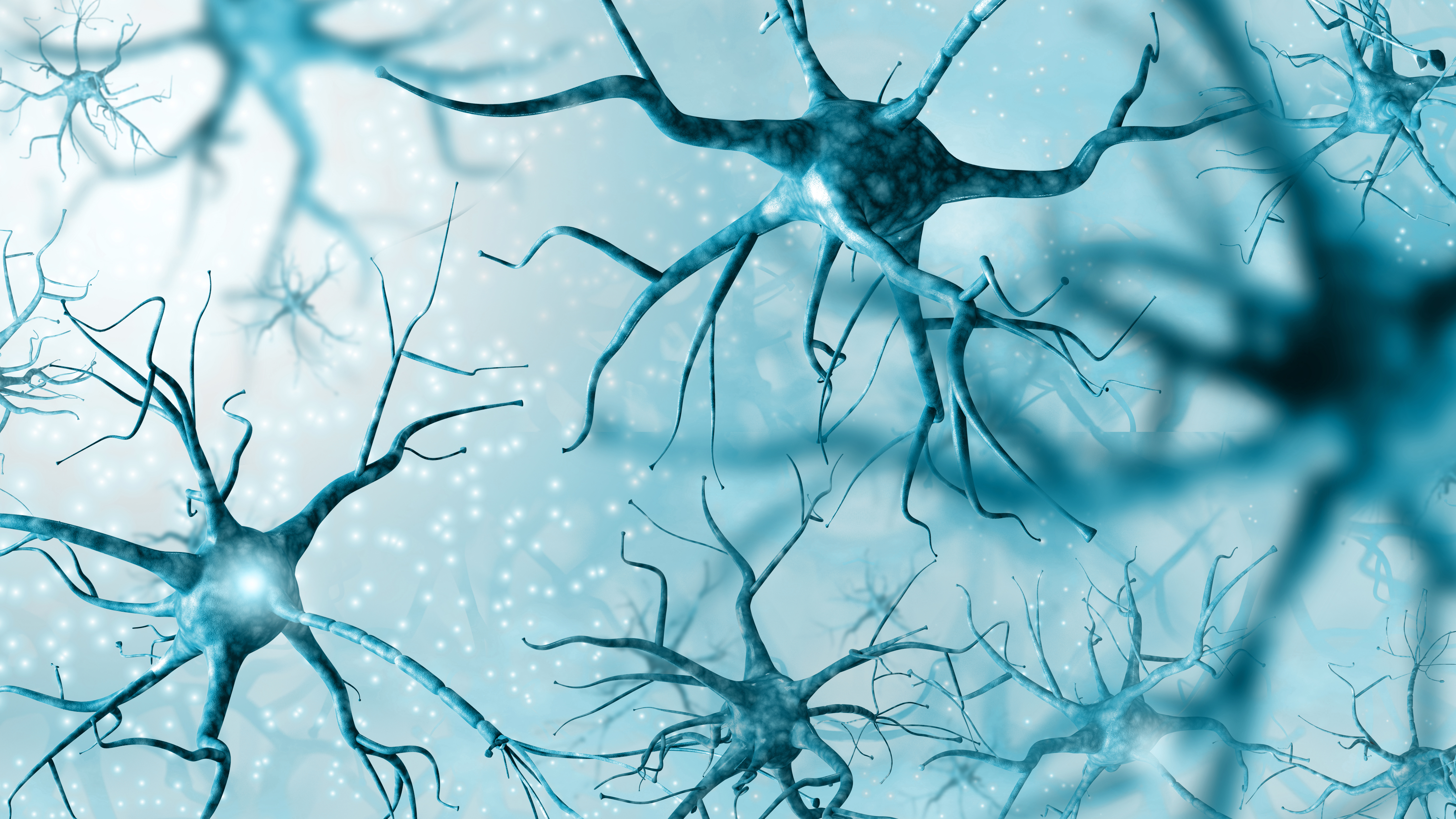
Most cells are dependent on getting their nourishment brought to them and they relieve themselves of waste products on location, so to speak. The nutrients are things the cell needs to maintain its functions like O2, iones, glucose and vitamins in addition to hormones and signal molecules which the cell uses to communicate with other cells. The waste products are residue from performing those functions, like Urea which is made from the process of breaking down aminoacids, or CO2 with is a result of the ATP production in the mitochondrias in the cells.
Anyone who wants to know what a living quarter without a functioning waste removal system looks like can read up on The history of Cholera in Victorian London before the city got a functioning sewer system in this fascinating article from the Science Museum
Our cellular health, and therefor our general health therefore depends entirely on the movement of fluids within the body, and this movement is dependent on the state of the system which supports it: the Fascia system.
Fascia, a part of the body´s connective tissue system, is a three-dimensional, force transmitting network of fluids and fibres. The fluid, which is called Ground substance, creates the water roads for the nutrients and waste products in our extra cellular matrix, the space outside of our cells, helping to transport nutrients and waste products between the capillaries and the cells. The fibres, which consists mostly of collagen, nit every part of our body together from micro – to macro level and form a network of varied density and rigidity. On a micro level it forms a honeycomb-like framework holding singular muscle cells. On a macro level it wraps each and every one of our organs, muscles and bones into one glorious interconnected unity which varies in density and structure depending on local needs. Glistening sheaths of dense, resilient fibres creating fulchrum points for our muscles, soft mushy layers cushioning our organs and intricate structures scaffolding and anchoring our nerves and blood vessels in their place.
Every movement that we perform is affecting and being affected by this network and by the state it is in.

In its healthy form Fascia allows our muscles and the bundles of muscle fibres within our muscles to move or slide along each other, making our movements more refined and specific.
But the Fascia itself is also affected and changed by movement, and especially the lack of movement. When deprived of movement both the fluid part and the fibrous part of our Fascia is affected. The fluid part, the Ground substance, can change and become more viscous, so that instead of acting as a lubricant or a transport road for nutrients and waste products it densifies, causing parts of our tissues to stick together like glue.
In the same way movement can affect the fibrous part of Fascia by breaking down or affecting the organization of the collagen fibres in a way which supports our movements. But when movement is not happening the arrangement of the fibres, which are produced constantly, becomes more disorganized, almost like undergrowth in a dens forrest, creating densifications in our tissues which affects how our muscles, encased and penetrated by those fibres, are able to move (anyone who has had their arm in a cast with the elbow bent for a couple of months will have felt this effect when the cast is removed, and they try to straighten the arm.)
Therefor thinking of ourselves as a walking vessel for fluids might not be such a bad idea, when it comes to grasping the need we humans have for varied movement, and especially musicians who have their body as their main instrument.
This image might also be helpful in understanding that circulation is not something solely dependent on a strong and healthy heart, but rather what we might call a joint venture of the entire body. And lastly It is a way to understand why chronic tension in parts of the body, if not addressed, can turn out to hinder more than your bow arm. Tension in one part affects the entire web and while some consequences of this might be experienced immediately others will only turn up later as Fascia is a slow-changing tissue. Chronic or reoccurring tension when you are playing should therefor always be addressed, especially if resting and taking frequent brakes does not solve the problem.
In situations like these bodywork treatments which goes deep and slow can be remarkably effective precisely because of the way they affect fluid movement within the tissues. In addition, movement analysis and more awareness on the movement patterns we repeat hour after hour when playing our instrument is necessary in order to understand how we might unconsciously be contributing to upholding chronic patterns of tension each time we practice.
Musicians have a high threshold for seeking help when experiencing pain or discomfort. Sometimes the reason can simply be a lack of understanding of how the body functions, or what is a “normal” level of discomfort to be expected and tolerated. It might be an instruction from a teacher to meet the discomfort by just “playing more” or the culturally engrained idea of the need to suffer in order to make good art. But what if you were to start thinking about yourself as a vessel for fluids? Fluids which also feed the cells within the muscles you need functioning at their most optimal level to play music? Aiding this fluid movement can be done through specified movement practices or through bodywork treatments. As a Timani teacher, a personal trainer in Nutritious Movement and a Myofascial Energetic Release massage practitioner I offer help for this. Feel free to read more on my homepage.
And go take your fluids for a nice litle stroll outside.

 The listening experience